Student Pilots
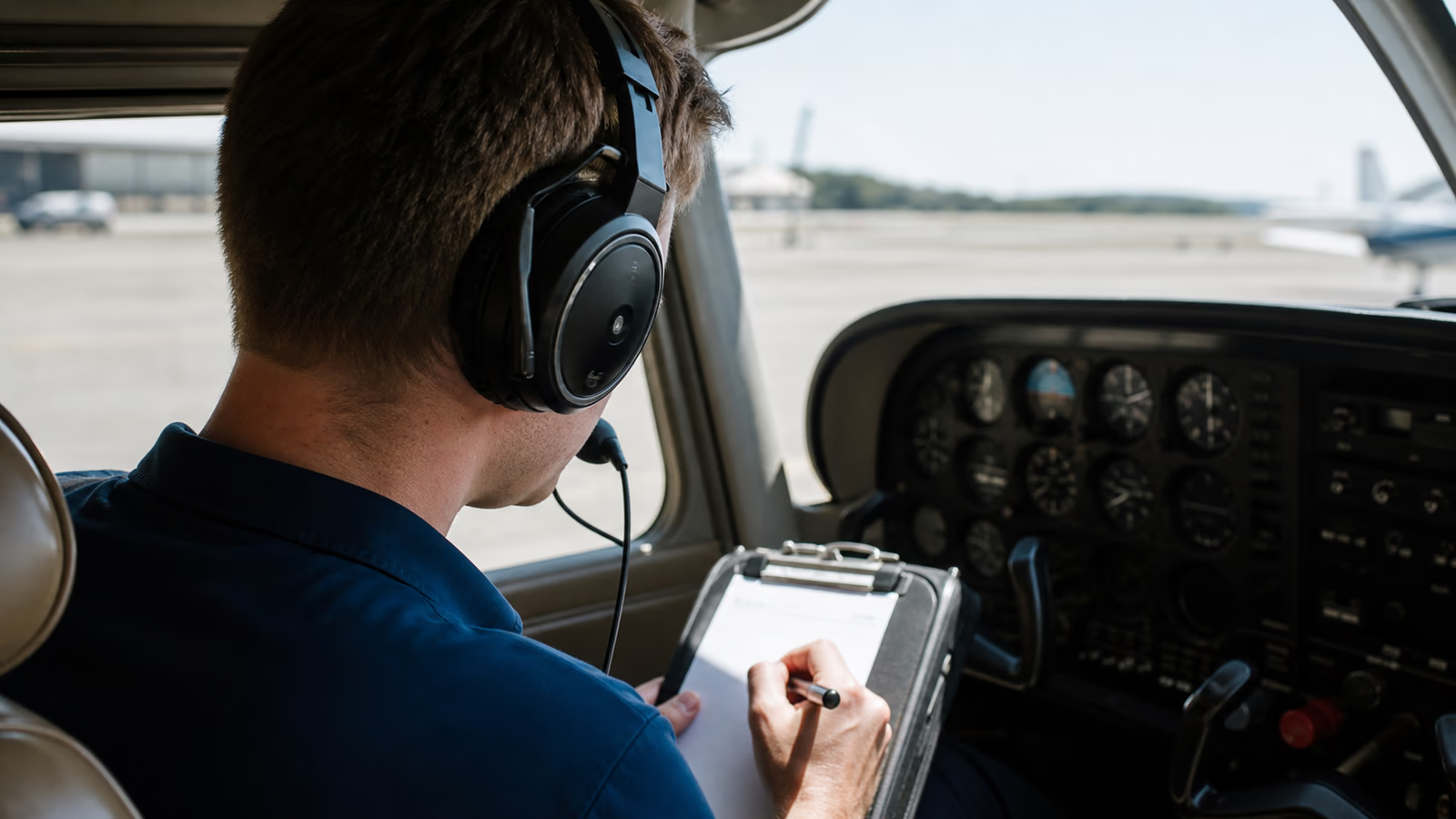
ICAO Picture Description: Three Worked Examples and Follow-Up Questions
Work through three original aviation scenes, compare your description with teaching examples and practise responding to follow-up questions.


Helping aspiring pilots master ICAO English with training tips, phraseology guidance, and real-world aviation communication insights.
Search the library
Category archive
Student Pilots
Work through three original aviation scenes, compare your description with teaching examples and practise responding to follow-up questions.
Student Pilots
An original one-minute recording with short-note prompts, comprehension checks and a worked summary that keeps the meaning accurate.
Student Pilots
Understanding rapid ATC transmissions is critical for communication, safety, and ICAO exam success. Here’s a streamlined 5‑step method to help non-native speakers decode fast‑talking controllers and pilots.
Student Pilots
Understand ATIS with a worked transcript, answers and three guided listening exercises. Practise notes, details and clear explanations with free audio.
Student Pilots
In the high-stakes world of aviation, a single misheard transmission can cause confusion, delays, or even jeopardize safety. That’s why the ICAO Alphabet —also known as the International Civil Aviation Organization’s Phonetic Alphabet —is a cornerstone of clear communication. Whether you’re a pilot, air traffic controller, cabin crew, or aviation enthusiast, mastering this standardized system of words and letters is
Student Pilots
When it comes to aviation communication, clarity isn’t just a courtesy—it’s a safety requirement . One misheard frequency or incorrectly repeated altitude can lead to costly, and potentially dangerous, errors. That’s why ICAO guidelines place such importance on standard procedures for reading back frequencies and numbers. By mastering these readback procedures, pilots, air traffic controllers, and other aviation prof